
Radiation Shielding Requirements for Nuclear Medicine and Oncology Facilities
Nuclear medicine and oncology facilities handle some of the most powerful tools in modern healthcare. These tools help doctors diagnose diseases and treat cancer with incredible precision. But they also come with a serious responsibility: keeping patients, staff, and the public safe from radiation exposure. That’s what radiation shielding was designed to address. From the walls of a treatment room to the containers used to transport radioactive waste, every part of a nuclear medicine facility needs proper protection. Nuclear Lead Company, Inc. helps healthcare facilities across the country meet these requirements with reliable, high-quality radiation shielding products.
The Importance of Radiation Protection in Healthcare
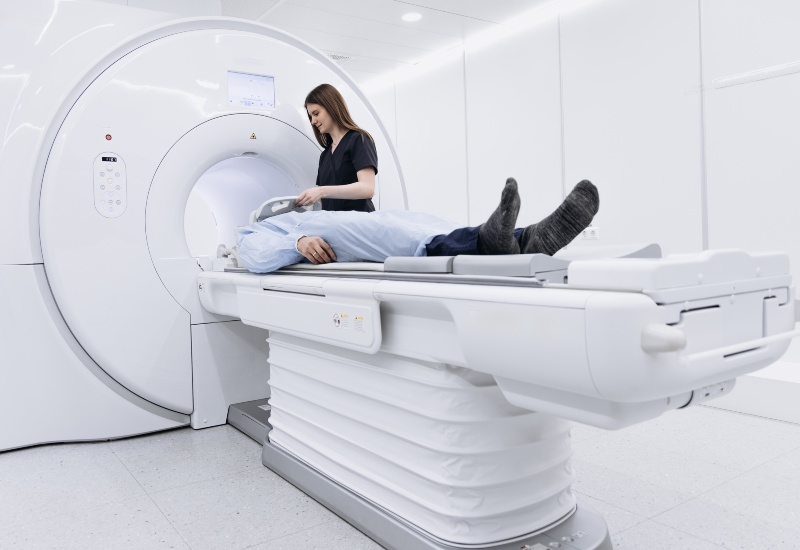
Radiation protection is a core element of running a safe general healthcare facility. But nuclear medicine departments require even stricter shielding measures because they face unique challenges compared to standard imaging rooms. The patients may even become temporary radiation sources after receiving some forms of treatment. With that in mind, shielding must extend beyond the walls of a single room and account for how radiation moves throughout the building.
The Role of Lead Shielding in Nuclear Medicine
Lead is dense, effective, and reliable for use in nuclear radiation shielding applications. In nuclear medicine, lead shielding appears in many forms, including:
- Syringe Shields – These protect technicians’ hands during the preparation and administration of radioactive doses.
- Vial Shields – These contain radioactive materials while they’re being measured or stored.
- L-Block Shields – These provide a barrier between staff and radioactive sources during preparation.
Structural Shielding Requirements for Medical Facilities
Beyond portable shielding products, nuclear medicine and oncology facilities need structural shielding as part of the building’s design. This typically includes lead-lined walls, which help contain radiation within treatment and imaging rooms. How much shielding your facility needs will depend on factors such as the type of radioactive material used, the frequency of procedures, and how close nearby rooms are to the radiation source. A facility that performs frequent PET scans, for example, will need different shielding than one focused on lower-dose diagnostic imaging.
Shielding for Radioactive Materials and Isotopes
Different radioactive isotopes require different shielding solutions. If you manage facilities that use materials such as technetium-99m, iodine-131, or fluorine-18, you must understand the specific energy levels of these isotopes to select the appropriate shielding thickness and material. This is where nuclear waste containment becomes especially important. Radioactive materials don’t stop being dangerous once they’re used, so proper shielding is required from preparation to disposal.
Storage and Transport Shielding Solutions
Once radioactive materials are used, they need to be safely stored and eventually transported for disposal. Lead-lined containers are essential at this stage of the process because they’re designed to safely contain radioactive waste while preventing harmful radiation from escaping.
Lead-lined waste containers come in a variety of sizes and shielding thicknesses, depending on the type and amount of radioactive material involved. For radioactive waste transport, facilities need containers that meet strict safety standards to protect workers and the public during transit. But choosing the right lead shielding for nuclear waste isn’t just about compliance. It’s about maintaining the safety of everyone who comes into contact with these materials.
Flexible and Mobile Radiation Shielding for Healthcare Staff
Not all shielding needs to be fixed in place. Healthcare staff who move between patients and assist with procedures need shielding solutions that move with them. We offer mobile shields, portable barriers, and wearable shielding options to keep on hand in nuclear medicine departments and oncology facilities. These can all help protect your personnel without slowing down their daily workflow.
Choosing the Right Lead Radiation Shielding Solution
With so many radiation shielding products available, choosing the right one for your facility can feel overwhelming. The best approach is to work with a manufacturer who understands the specific needs of nuclear medicine and oncology facilities. Nuclear Lead Co. has the experience to help your facility select shielding products that match your exact needs, from daily-use tools to long-term nuclear waste storage solutions.
Contact Nuclear Lead Co. for Radiation Shielding Expertise
Radiation safety is too important to leave to guesswork. Our team offers a full range of radiation shielding products designed specifically for nuclear medicine and oncology facilities. Contact us today.
FAQ About Radiation Shielding
Nuclear medicine facilities deal with patients who become temporary radiation sources after receiving radioactive materials. This means shielding must account for radiation exposure throughout the facility, not just in a single imaging room.
Lead pigs are thick, cylindrical containers used to store and transport small amounts of radioactive material while blocking radiation exposure.
Lead shielding is used in both diagnostic imaging – such as PET and SPECT scans – and therapeutic treatments, such as radioactive iodine therapy. The shielding thickness and design will vary based on the isotope and dosage involved.
Lead bricks are often used to build temporary or adjustable shielding barriers around radioactive sources because they offer flexibility for different room layouts and procedures.
Every nuclear medicine facility has different layouts, procedures, and isotopes in use. Custom shielding systems will ensure that every area of your facility meets safety requirements without over- or under-shielding any specific space.

Radiation is a part of everyday life, with natural background radiation constantly present in the environment. While most radiation exposure is…