
Nationally Trusted Nuclear Shielding Experts
Reliable Lead Shielding from Nuclear Lead
Lead is one of the most used and versatile materials for radiation shielding. This is due to the high density of lead, which makes it highly effective at reducing radiation exposure while providing unrivaled protection. Lead shielding is used in healthcare, nuclear energy, research, and more. Nuclear Lead is a national leader in nuclear shielding manufacturing and products. We strive to be your go-to partner for radiation shielding or lead-related solutions with our 50+ years of experience, exemplary design, and manufacturing process. If you cannot find the solution you’ve been looking for, give us a call.
What Is Nuclear Shielding?
Nuclear shielding refers to using lead or tungsten to protect individuals or items from radiation by reducing or eliminating the possibility of an effective dose. Lead is the most common material for its density, high atomic number, and effectiveness at stopping gamma rays and X-rays. This type of shielding is primarily found in the medical or construction field. Other uses include protecting from X-ray machines, nuclear power plants, labs, medical facilities, and military equipment. Lead creates a lining in containers or cabinets to store and manufacture radioactive materials safely. Lead can also be used in blankets to create a shielded barrier to protect personnel working with irradiated materials. One of the most common uses is radiological shielding for nuclear facilities.
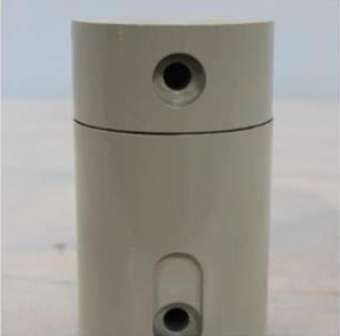
Explore the Nuclear Shielding Products We Manufacture
Whether you need a small site, personal protection, or protection for an entire facility, you can rely on our nuclear shielding products. We’ll work with you to provide recommendations based on your particular needs. Without effective nuclear shielding, staff could be susceptible to cancer associated with radiation exposure. The Nuclear Lead team delivers only the most-effective equipment, including:
- Mobile Lead Container
- Radioactive Source Storage Cabinet
- Radioactive Sample Storage
- Lead Lined Cabinet
- Lead Storage Containers
- Lead Bricks
- Lead Blankets
Lead Shielding vs. Tungsten Shielding
The two most commonly used materials for nuclear shielding are lead and tungsten. When deciding which material to shield staff or products from radiation, it’s important to remember a few things. Harmful gamma radiation is best shielded by materials that boast a high density. Lead is the most used shield in nuclear power, medicine, diagnostic imaging, and more. It’s highly effective at shielding X-ray and gamma radiation due to its high density and atomic number. Tungsten’s density is 1.7 times higher than lead, providing a higher degree of shielding. It’s a great option where lead isn’t feasible. Further, it’s the preferred choice for medical and industrial settings that require protection while using less material. Both materials offer unrivaled protection, but lead is more affordable and accessible than tungsten. Regardless, we’ll work with you to help determine the best material for your needs.
Why Choose Nuclear Lead?
With over 50 years of experience, Nuclear Lead has established itself as an industry leader in nuclear shielding technology. Whether you need lead castings or nuclear shielding to produce energy, take X-rays, or make precise measurements, you can rely on our dedicated designers and manufacturers to work diligently to ensure our products seamlessly integrate into your process and exceed your expectations. Everyone at Nuclear Lead understands the importance of crucial precision and efficacy for your project. With our help, your staff will be fully protected from the harmful effects of wave radiation, regardless of if you’re in the medical field or work in industrial facilities. We’ll work with you through each step of the process to provide recommendations to better streamline and support your company.
Schedule Your Consultation Today
We’ve been at the forefront of the nuclear shielding and lead manufacturing industry for over 50 years. Our team specializes in designing and manufacturing lead products fully customized to our client’s specific requirements, including protection from radiation. Whether you need lead blankets, snakes, wool, bricks, or racks to move irradiated products safely, you can rely on our products for unrivaled protection. We provide complete turnkey nuclear shielding solutions, including consultations and designs, and help seamlessly integrate these into your process. Our goal is to support your project from start to finish. To learn more about how we can help, give us a call. We’ll get you scheduled for a consultation as soon as possible.
Nuclear Shielding FAQs
Nuclear shielding is the use of protective materials to reduce or block radiation emitted from radioactive sources. Its purpose is to protect people, equipment, and surrounding areas from unnecessary radiation exposure by placing an absorbing barrier between the source and the environment. Common shielding materials reduce the intensity of radiation before it reaches workers or sensitive equipment. Effective nuclear shielding is essential in nuclear facilities, laboratories, industrial settings, and medical environments. They help support safe operations while reducing potential health risks associated with long-term radiation exposure. Radiation safety programs often combine shielding with time and distance controls to achieve the highest level of protection.
Several nuclear radiation shielding materials are used depending on the type of radiation present. Lead remains one of the most common choices because of its high density. Tungsten is another effective option for high-energy radiation applications that require compact shielding. Concrete is frequently used in nuclear facilities and radiation rooms. For neutron radiation, hydrogen-rich materials such as water, borated polyethylene, and paraffin are often selected because they absorb neutron energy. Additionally, aluminum, acrylic, and specialized plastics are commonly used for beta radiation applications.
Lead is used for its high density and high atomic number, making it highly effective at absorbing and attenuating X-ray and gamma radiation. These characteristics allow lead shields to provide substantial protection without requiring excessive thickness. Lead is also durable, corrosion-resistant, and easy to fabricate in many forms, including sheets, bricks, blankets, and more. Its versatility supports use across medical facilities, research laboratories, and other industrial environments.
Yes, different forms of radiation interact with matter differently, which means no single shielding works best in every situation. Alpha particles can often be clocked by paper, clothing, or the outer layer of skin. Beta radiation is typically controlled with materials such as aluminum, acrylic, or plastic. Gamma rays and X-rays require dense materials like lead or tungsten. Neutron radiation presents unique challenges because neutrons carry no electrical charge. Materials containing hydrogen, such as water or paraffin, are used to slow and absorb neutron radiation.
These materials reduce exposure through a process known as attenuation. As radiation passes through a shielding material, it absorbs or scatters some of its energy, reducing the intensity that emerges on the other side. The effectiveness of this process depends on factors such as the material’s type, density, and thickness.
The most effective materials are typically hydrogen-rich substances that can slow and absorb neutrons. Common examples include borated polyethylene, water, paraffin wax, or certain concrete formulations. Borated polyethylene is particularly popular because it combines hydrogen, which slows neutrons, with boron, which helps capture them after they’ve lost energy.
There are a variety of nuclear radiation shielding products available. Common solutions include lead bricks, lead blankets, mobile lead containers, radioactive source storage cabinets, radioactive sample storage units, lead-lined cabinets, and specialized lead storage containers. The facility may also use lead sheets, lead-glass viewing windows, shielded barriers, and custom-fabricated components tailored to your requirements. Custom nuclear shielding products are developed when standard solutions don’t meet specific specifications.
How Is the Required Thickness of a Nuclear Radiation Sheild Determined for a Specific Application?
The required thickness depends on several factors, such as the type of radiation, radiation energy level, source strength, occupancy requirements, and the level of protection needed. Engineers and radiation safety professionals evaluate how radiation interacts with specific materials and calculate the amount of attenuation required to reduce exposure to acceptable levels. One common measurement used in shielding design is the half-value layer, which represents the thickness needed to reduce radiation intensity by 50 percent.