
Lead-Lined Storage Containers for Radioactive Material Safety
Storing radioactive materials safely isn’t optional. It’s essential. Whether you manage a nuclear power plant, run a medical imaging facility, or oversee a research lab, you need reliable ways to store and transport radioactive materials without putting people at risk. Nuclear Lead Company, Inc. can help. We have decades of experience crafting lead radiation shielding products and assisting facilities across the country in protecting workers, the public, and the environment from harmful radiation exposure.
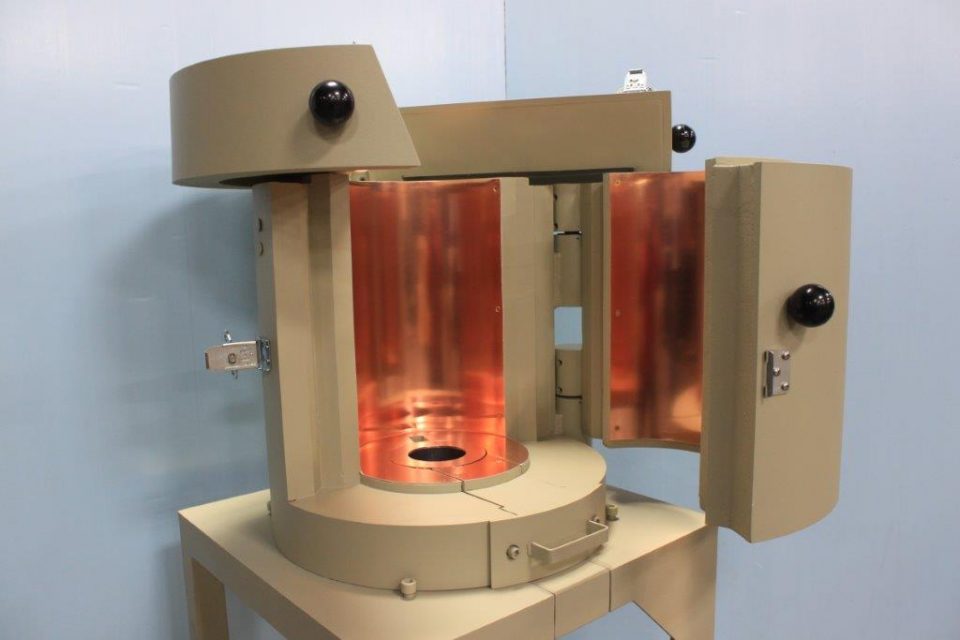
The Importance of Safe Radioactive Material Storage and Transportation
Radioactive materials emit energy that can damage living tissue and cause serious health problems. Even when these materials aren’t actively being used, they still emit radiation. Improper storage can lead to:
- Worker Exposure – Any employees who must work near unshielded radioactive materials risk absorbing harmful radiation doses.
- Environmental Contamination – Leaks or breaches in poorly designed containers can release radioactive particles into soil, water, or air.
- Regulatory Violations – Facilities that fail to meet storage standards set by agencies like the Nuclear Regulatory Commission (NRC) face fines, shutdowns, and other legal consequences.
What Are Lead-Lined Storage Containers?
Lead-lined storage containers are boxes, drums, or cases built with a lead layer to prevent radiation from escaping and shield people and facilities from ionizing radiation. They come in different shapes, sizes, and thicknesses so that they can protect against all types of radioactive materials. The stronger the radiation source, the thicker the lead shielding should be.
Lead-Lined Containers for Nuclear Waste Storage and Transport
Nuclear Lead Co. builds lead-lined containers for a wide range of radioactive materials, including plutonium cores, uranium fuel rods, and cobalt radiation sources. But these containers aren’t just for storage. They’re also built to safely transport materials between facilities, labs, and disposal sites. The right solutions will keep your radiation contained even if your materials are being moved across the country.
Types of Lead-Shielded Storage and Waste Containers
Not all radioactive materials require the same type of container. Common options include:
- Lead-Lined Drums – These are ideal for storing loose radioactive waste or smaller radioactive components.
- Lead-Shielded Boxes – Use these for structured storage of fuel rods, sealed sources, or lab samples.
- Mobile Radiation Shielding Units – Mobile radiation protection barriers are designed to move with your operations, offering flexible protection wherever it’s needed.
- Custom-Shaped Containers – Oddly-shaped or oversized radioactive equipment may require custom builds.
Benefits of Lead-Lined Containers for Radioactive Material Safety
Choosing lead-lined containers offers several advantages:
- Reliable Shielding – Lead blocks gamma rays and other forms of ionizing radiation more effectively than most alternative materials.
- Long-Term Durability – Lead doesn’t degrade quickly, so your containers will stay effective for years.
- Regulatory Compliance – Properly shielded containers help facilities meet NRC and Department of Energy storage requirements.
- Peace of Mind – Workers can operate near stored materials with confidence, knowing they’re protected.
Design Features of Modern Lead-Lined Containers
Today’s lead-lined containers go beyond basic shielding, with many including:
- Stainless Steel Housing – This adds durability and corrosion resistance while protecting the lead shielding.
- Secure Locking Systems – Prevent unauthorized access to hazardous materials.
- Handling Features – Key features include lifting points, wheels, or mobile shielding barriers that make it easier to move heavy containers safely.
- Custom Shielding Thickness – You can match the specific radiation output of the materials being stored.
Choosing the Right Lead-Lined Container for Your Application
Selecting the right lead shielding product depends on a few factors:
- Type of Radioactive Material – Different isotopes emit different types and strengths of radiation.
- Storage Duration – You may need thicker shielding or added durability for long-term storage.
- Transportation Needs – If materials move between locations, mobile radiation barriers or transport-ready containers may be necessary.
- Facility Layout – Available space and accessibility affect which container size and shape works best.
Contact Nuclear Lead Company, Inc. for Storage Container Guidance Today
Choosing the right lead-lined storage container is a big decision. Nuclear Lead Co. has the fabrication expertise and industry experience to help you find or build the right solution for your facility. With everything from mobile lead barriers to custom-lined containers, we’ll help protect your workers, facility, and community. Contact us today to discuss your radiation shielding options.
FAQ About Lead-Lined Storage Containers
Lead-lined containers can be built with varying shielding thicknesses and shapes to match the specific radiation levels and dimensions of your materials.
Many lead-lined containers include stainless steel exteriors for added durability, corrosion resistance, and a professional finish.
Lead-lined containers are designed so that the lead shielding is fully enclosed within the container structure, preventing direct contact while still providing radiation protection.
Many containers include locking mechanisms and tamper-resistant designs to prevent unauthorized access to radioactive materials.
They’re commonly used to store materials like uranium fuel rods, plutonium cores, cobalt radiation sources, and other radioactive waste or equipment.
Options like mobile radiation shielding units and containers with built-in handling features make it easier to transport heavy shielded materials safely.
No. Lead-lined containers work alongside broader facility shielding measures rather than replacing them.