
Lead Radiation Shielding
Your Source for Lead Nuclear Radiation Shielding
When dealing with high-energy particles, safety is the top priority. You need materials that protect your team from invisible hazards. Nuclear Lead provides lead radiation shielding. This dense, flexible metal has been the main defense against ionizing radiation for decades because of its durability and dependability. Learn more about our nuclear radiation shielding.
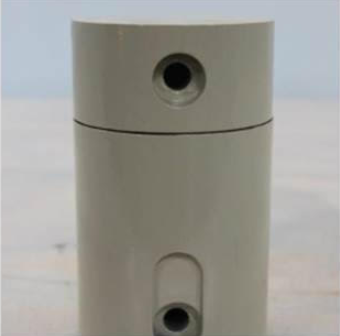
What Is Lead Radiation Shielding
Lead shielding works as a dense barrier that absorbs and blocks harmful energy before it can reach people or sensitive equipment. It provides protection for facilities of all sizes, from hospitals to large energy plants. By reducing gamma rays and X-rays, it lets industries use nuclear energy and medical imaging safely.
Why Choose Lead for Radiation Protection
Although new polymers and composites are available, lead is still the top choice in the industry because of its high atomic number. It provides better protection than lighter materials, which would need to be much thicker to provide the same level of safety.
Lead’s High Density for Space Efficiency
Space is often limited in medical scanning rooms, research labs, or compact machines. Since lead is so dense, you can get the protection you need with a much thinner sheet than you would with concrete or steel.
Cost-Effectiveness Compared to Alternatives
Budgets are important, even when safety comes first. Lead gives you excellent protection at a better price than other rare dense metals used for similar jobs.
Durability and Non-Porous Nature
Contamination is a major concern in nuclear environments where particulate matter can be dangerous. The material’s smooth surface is easy to clean and resists absorption, ensuring that radioactive contaminants do not seep into the shield itself.
Versatility in Custom Applications
Whether you need a small housing for a sensor or a massive barrier for a reactor, this metal adapts to your specific needs. Custom lead shielding allows engineers to cast or machine parts that fit specific geometries.
Key Properties of Lead Shielding Materials
Engineers select specific elements based on how they interact with physics at an atomic level. When evaluating lead shielding materials, you will find a unique combination of characteristics that make it indispensable for safety applications. The physical attributes of this element allow it to stop gamma rays and X-rays more effectively than almost anything else available. Here are the specific properties that make it the industry standard:
- High atomic number for superior radiation absorption
- High density for effective shielding in compact spaces
- Malleability for custom designs and applications
- Corrosion resistance for long-term use
- Compatibility with other materials, such as bonding lead to steel or aluminum, for enhanced shielding solutions
Custom Lead Shielding Solutions
We specialize in fabricating barriers that meet exact specifications for high-profile clients, including NASA and Oak Ridge National Laboratory. From custom-machined lead shielding to intricate parts, our facility handles projects that require absolute precision. We also offer lead pours, filling custom steel fabrications with molten lead, and castings ranging from just half a pound up to 25,000 pounds.
Safety and Compliance in Radiation Shielding
Manufacturing nuclear radiation shielding requires strict adherence to federal regulations to ensure the safety of the end-user. Nuclear Lead strictly follows Department of Energy (DOE) standards and Nuclear Regulatory Commission (NRC) guidelines to deliver certified safety.
FAQs About Radiation Shielding
Lead radiation protection is required whenever ionizing radiation sources pose a risk to human health or sensitive electronics. It is standard in X-ray rooms, nuclear power plants, and labs handling isotopes.
Calculating thickness depends on the “half-value layer” (HVL) of your specific source. We provide initial consultations to help you calculate this, ensuring you don’t overspend on unnecessary weight or under-protect your team.
While some industries push for composites, lead and tungsten remain denser and more reliable for high-energy applications. These metals provide superior stopping power per inch compared to lighter, “green” alternatives that often require more bulk.
Lead radiation shielding is virtually maintenance-free when properly installed or encased. However, we offer lead burning services to repair or join sections, ensuring no radiation leaks occur at the joints.
Get a Nuclear Radiation Shielding Quote Now
Don’t leave safety to chance or rely on subpar materials when lives are on the line. Contact Nuclear Lead today to discuss your project specifications and receive a quote for your custom fabrication needs.